
Originally posted in Daily Sun on 23 January 2026
The 13th national parliamentary election has recorded both notable milestones and serious concerns with a record 1,981 candidates contesting the polls while 507 of them carry a combined debt of Tk18,868 crore.
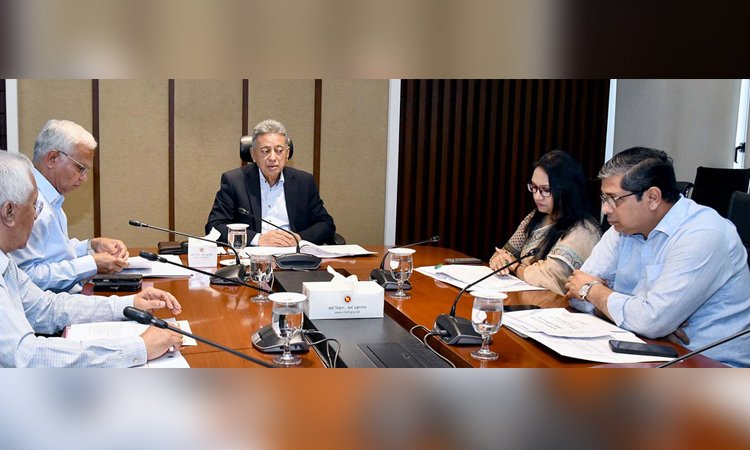
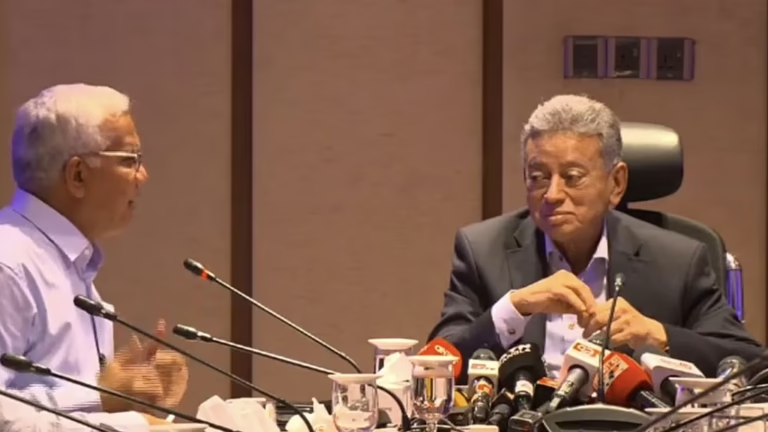
Transparency International Bangladesh (TIB) came up with the findings from the affidavits submitted to the Election Commission (EC). It was disclosed at “Know Your Candidates” programme in the capital’s Dhanmondi on Tuesday.
According to the analysis, the election, scheduled for 12 February, has the highest number of candidates in Bangladesh’s electoral history. Of them, 1,696 are first-time contestants. The average age of candidates is 51.8 years which is the lowest compared to the last four parliamentary elections.
Nearly half of the candidates, 48.48%, are businessmen, followed by 12.61% legal professionals. More than 36% of candidates represent Islamist parties, marking the highest such participation in any national election to date.
Education levels are also comparatively high with 76.42% candidates having higher education qualifications. Among them, 28.37% are graduates, 47.98% postgraduates and 8.94% completed higher secondary education.
Women remain significantly underrepresented with only 80 female candidates, 4.02% of the total. The 10-party alliance fielded six women candidates, while the BNP-led alliance nominated 24.
The analysis shows that 891 candidates are billionaires. Combined, candidates reported taxable incomes of Tk693.06 crore against which they paid Tk54.68 crore in taxes.
TIB found that 507 candidates have loans amounting to Tk18,868 crore from banks and individual lenders.
Eight candidates account for 59.41% of the total debt, most of them affiliated with the BNP. The top debtors include independent candidate SAK Akramuzzaman from Brahmanbaria-1 with Tk3,155 crore, BNP candidate SM Faisal from Habiganj-4 with Tk2,041 crore, and BNP’s Khaled Hossain Mahbub from Brahmanbaria-3 with Tk1,470 crore in debt.
Among party affiliations, 32.79% of independent candidates are debtors, followed by 26.97% in the Jatiya Party, 25% in the Bangladesh Communist Party and 22.26% in Jamaat-e-Islami.
The report also found that 27 candidates own assets worth more than Tk100 crore. The wealthiest candidate is BNP’s Chapainawabganj-2 aspirant Md Aminul Islam, with declared assets worth Tk619 crore.
Spouses of 118 candidates own flats or buildings than the candidates themselves, while spouses of 164 candidates own more land.
Additionally, 259 candidates reported that their spouses possess more movable assets, including cash, bank deposits and gold.
Despite legal restrictions under the Bangladesh Land Holding (Limitation) Order, 1972 – which caps land ownership at 100 bighas per family – some candidates reported holdings far exceeding the limit.
BNP’s Chattogram-13 candidate Md Ali Abbas declared ownership of 3,870 bighas of land, while Jamaat-e-Islami’s Dinajpur-5 candidate Md Anowar Hossain declared 710 bighas.
TIB also raised concerns over incomplete or misleading disclosures. The analysis noted that 21 candidates were former foreign citizens who had renounced their citizenship, while 25 candidates declared movable assets abroad and 17 declared immovable assets overseas. TIB claimed to have information that two candidates are British citizens who failed to disclose or renounce their citizenship.
It alleged that some candidates underreported foreign properties and investments, including cases of undisclosed flats, overseas companies and assets registered in the names of spouses.
One candidate reportedly owns at least 11 foreign companies, eight of which are commercially active, while another is linked to a company registered in a tax haven.
Speaking at the programme, TIB Executive Director Iftekharuzzaman urged the Anti-Corruption Commission and the National Board of Revenue to scrutinise candidates’ affidavits and take legal action where necessary.
He also said that electing heavily indebted candidates could jeopardise economic stability and reform efforts. “If such individuals dominate the next parliament, they will influence lawmaking, policing and reforms.”