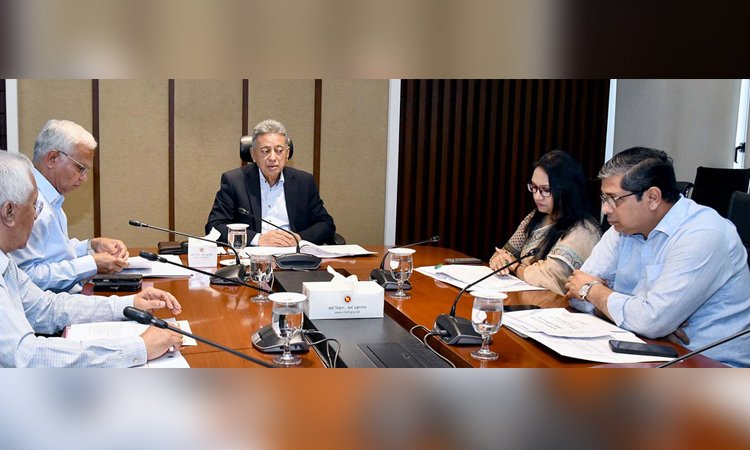

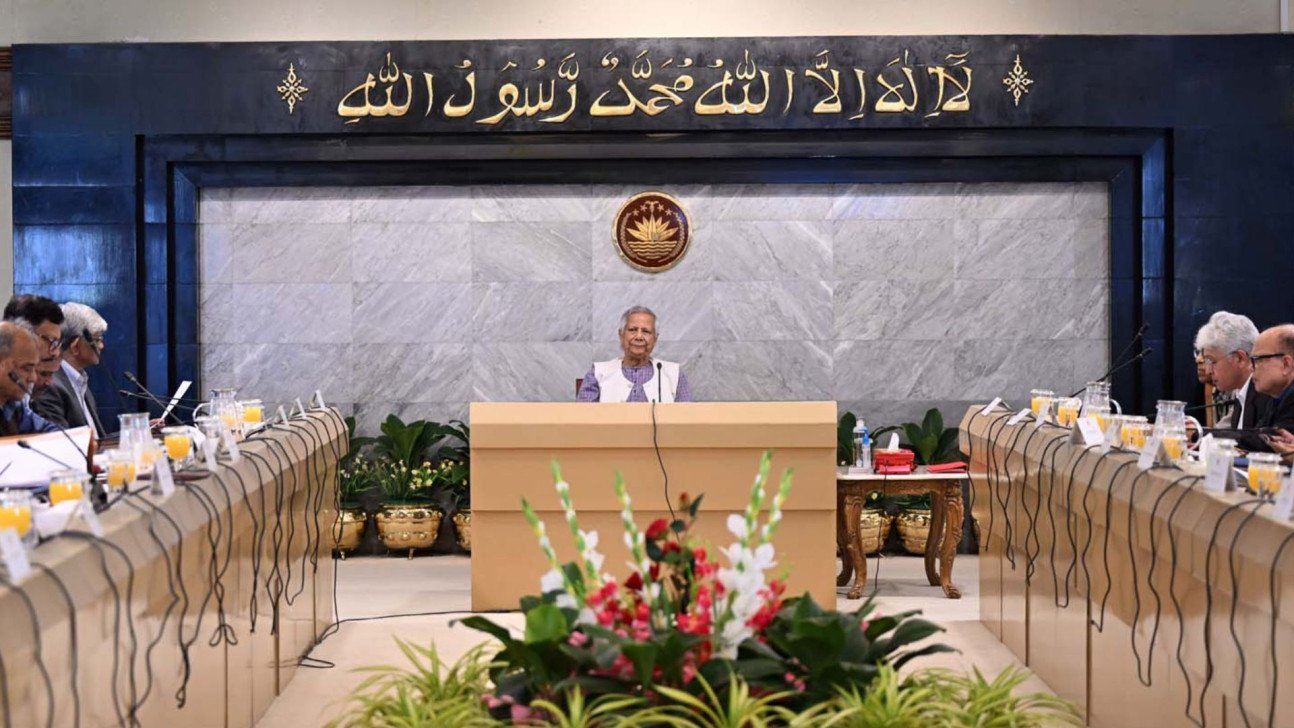
The Advisory Council yesterday approved the final draft of the Anti-Corruption Commission Ordinance 2025 that aims to strengthen and enhance the commission’s effectiveness in combating corruption and make it “a more effective organisation”.
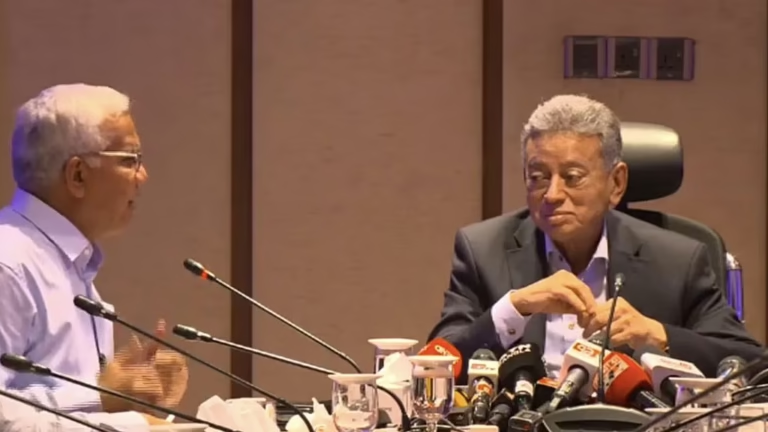
According to the new draft law, the ACC will publish its work report online every six months, while the ACC officers directly involved in anti-corruption investigations must submit their asset statements to their authorities, said Chief Adviser’s Press Secretary Shafiqul Alam in a press briefing.
From now on, the ACC will be constituted with five commissioners, including at least one or two having an IT background, to help the ACC deal with the growing problem of digital corruption. Presently, ACC has three commissioners.
The previously proposed external oversight body has been removed because it could create more chances for corruption, Shafiqul said.
The draft was developed after wide consultations with Transparency International Bangladesh and other stakeholders.
The advisory council also approved three new draft laws, including the Human Trafficking and Migrant Smuggling Prevention Ordinance 2025.
Thousands of Bangladeshis, including women and children, have become victims of trafficking, especially for exploitation abroad.
The new law expands the definition of trafficking to include organ trafficking, which has affected many people in northern Bangladesh, he said.
The ordinance also targets the use of online platforms in trafficking.
Traffickers often use social media to attract victims and the government intends to stop such activities.
With court approval, the law will allow the freezing of bank accounts and asset seizure of suspected traffickers.
The government also approved the RAJUK Ordinance 2025, which aims to solve urban planning problems in Dhaka.
As RAJUK’s responsibilities have increased, the new ordinance introduces stricter rules on construction, land use and urban development, he said, adding that it also addresses concerns about the illegal occupation of playgrounds, wetlands and natural water reservoirs.
There will be penalties for unauthorised buildings and unsafe construction.
RAJUK officials will not be allowed to hold shares or financial interests in any development project under RAJUK’s authority.
Chief Adviser Muhammad Yunus has also asked the Ministry of Public Works to consider creating a national body to approve building plans across all districts so that safety standards are followed everywhere, Shafiqul said.
Many unapproved buildings have been discovered across the country and this shows how weak the previous monitoring system was.
No building in Bangladesh should be constructed without proper approval and the government is strengthening building regulations in all city corporations.
The National Human Rights Commission Amendment Ordinance 2025 was also approved.
The amendment strengthens the NHRC’s role in preventing torture and inhuman treatment.
The NHRC will serve as the National Preventive Mechanism under the Optional Protocol to the Convention Against Torture and this will allow the commission to conduct independent inspections of detention centres and other facilities.
The ordinance also gives the NHRC authority to monitor detention places and ensure human rights standards are maintained, Shafiqul said, adding that the commission will receive the financial and institutional support it needs to perform its duties.
On the Rohingya crisis, Shafiqul said the issue had lost global attention during the previous government.
Deposed Prime Minister Sheikh Hasina focused more on promoting her image as the Mother of Humanity instead of addressing the real causes of the crisis.
The current administration has brought the issue back into international discussions through active diplomacy and engagement.
In response to a question, Shafiqul said Yunus had earlier expressed hope that Rohingyas might return home around Eid. However, diplomatic efforts take time and results may not appear immediately.
He also confirmed that the meeting did not include any discussion about elections or any advisers planning to take part in future polls.